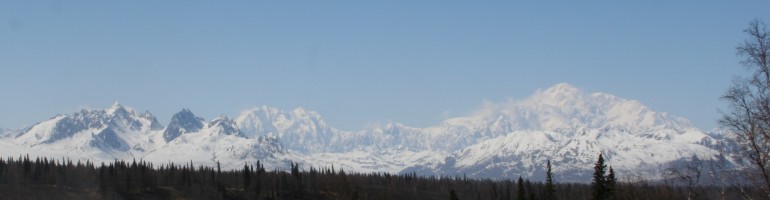
Snow has been coming down all day, but it doesn’t want to stick. I keep looking out the window at thick, heavy flakes pouring out of the sky. But the yard is still green. It doesn’t want to let go of summer, not quite so soon.
I start my new job on Monday. It is the first time since 2003 I will have worked a real full-time schedule at a real place of employment with W-2s & pay-stubs & no lay-offs when the tourists head south with the geese. It is making me antsy. I keep eyeing the truck, wondering how much it would cost to get running & outfitted with an old cabover. I did have a couple of decent road trips this summer. The last and most superb was up the haul road to the north coast of the continent. It whetted my appetite to live mobile again.
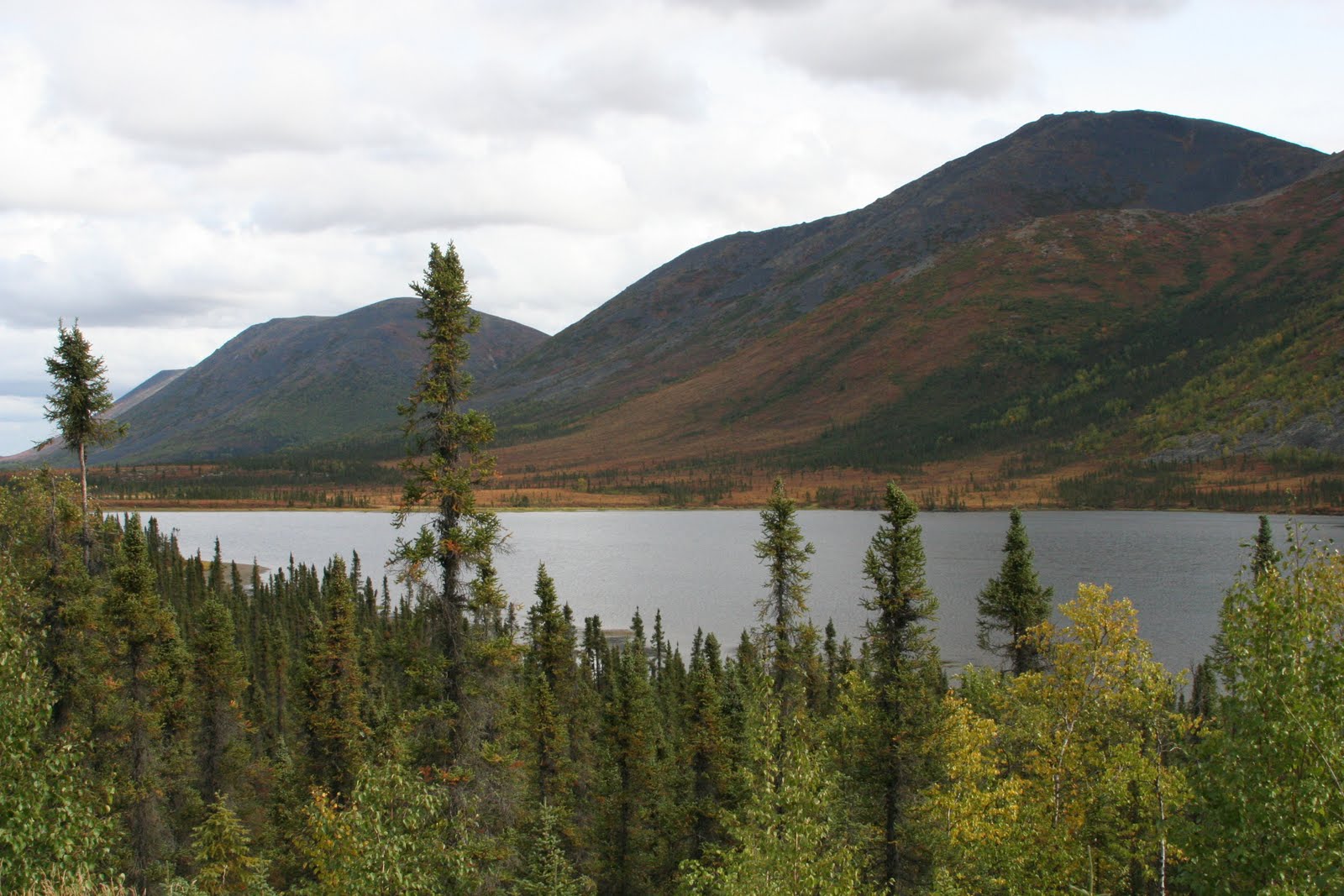
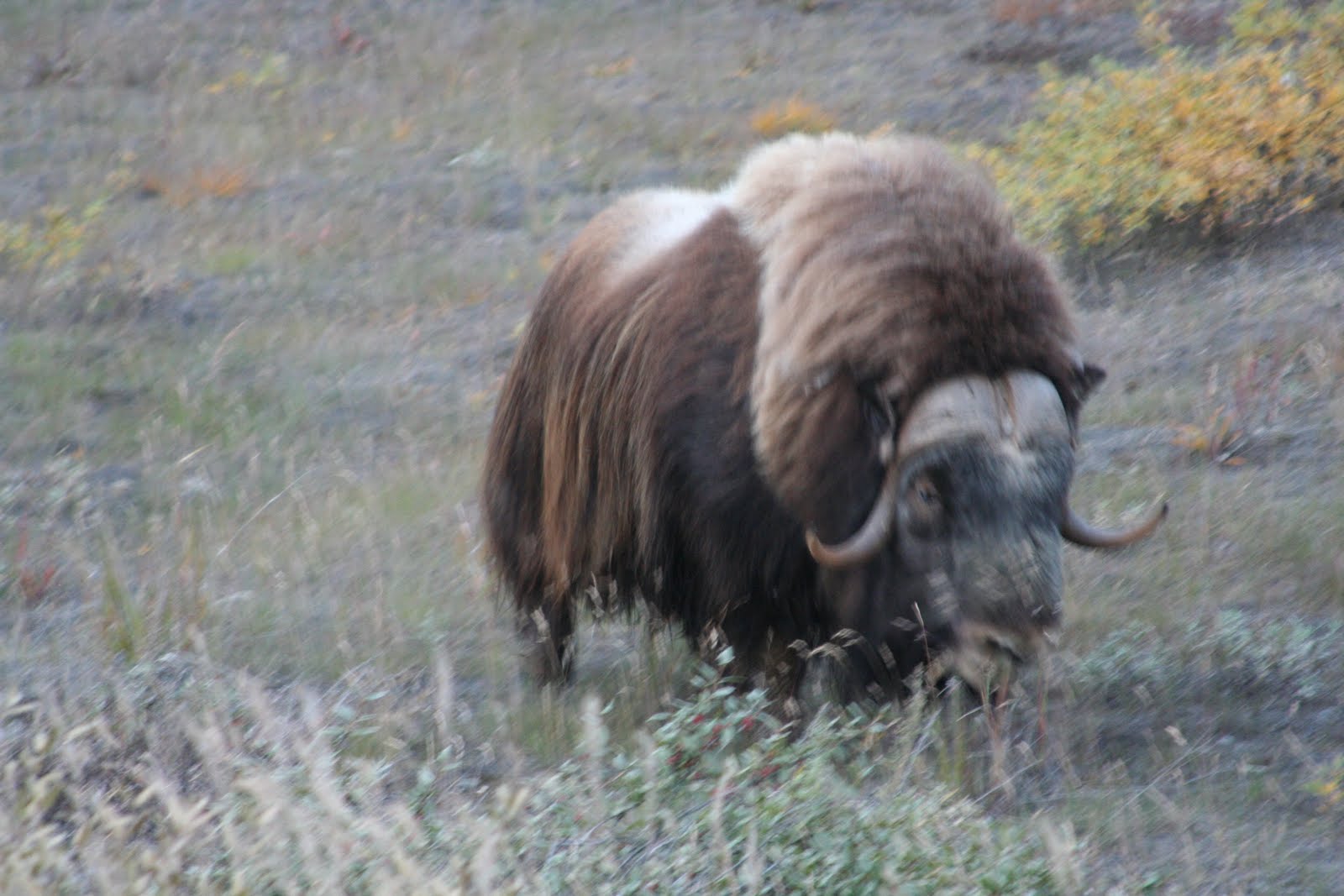
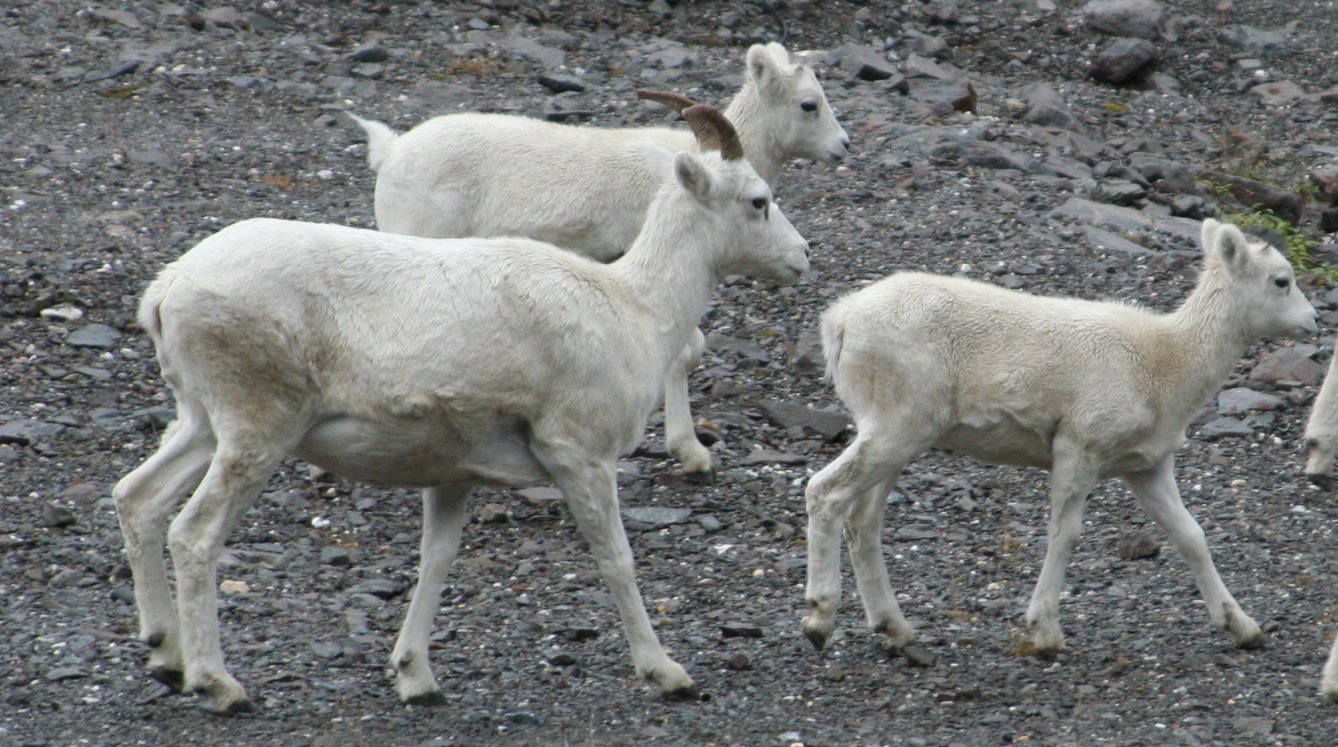
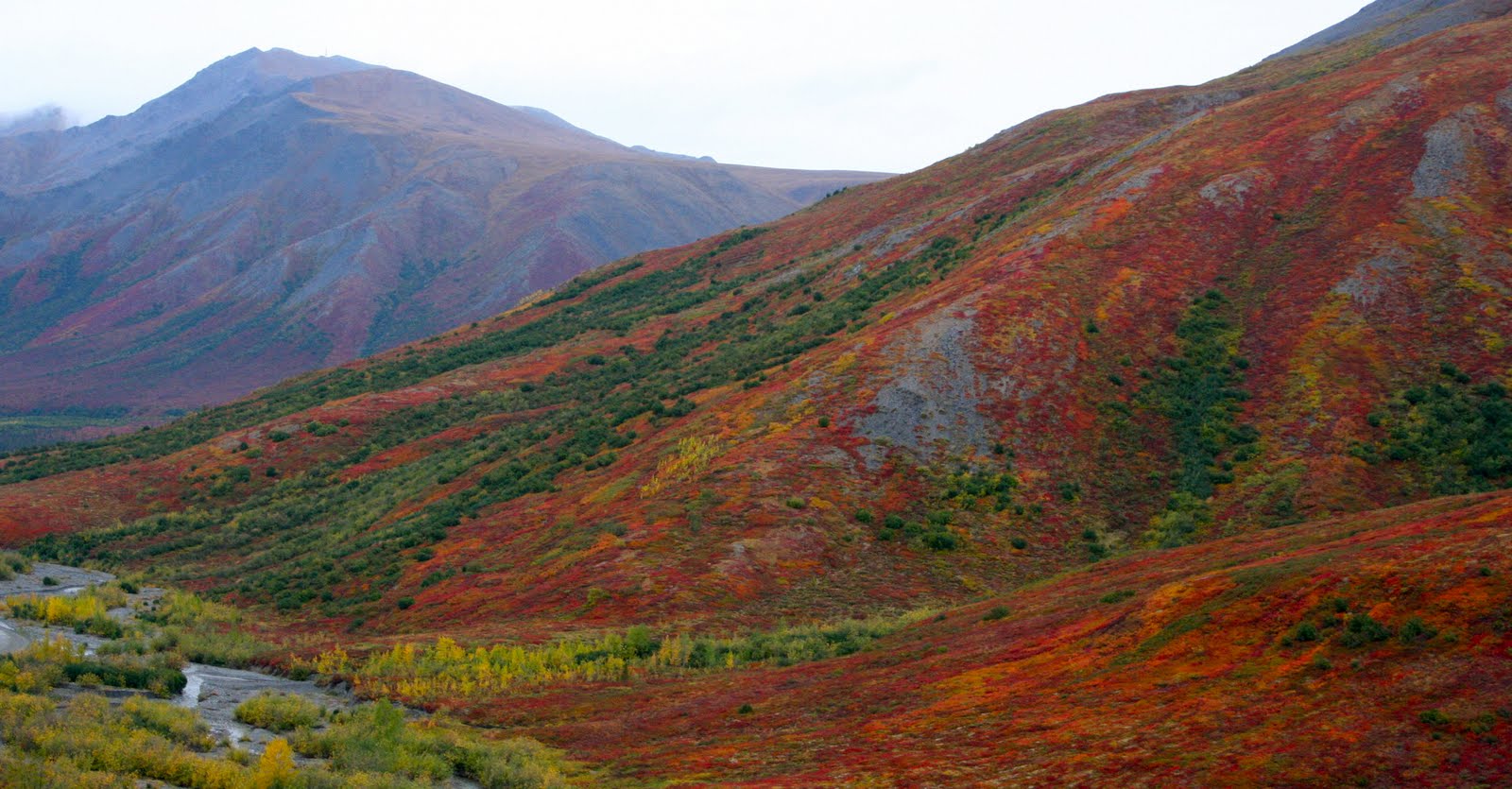
 It was a perfect trip despite our late start and midnight arrival at the dusky arctic circle. The next morning Pico and I went on a long ramble along the pipeline while Pete & Jon slept in, and we arrived in Coldfoot in time for a late lunch and gas. As we drove north, the colors changed from green to yellow and red and orange. Trees disappeared just before Atigun pass. I was reminded by the constant snapping of Jon’s camera just how lucky we are to live in this place. We plunged into Atigun valley with snow chasing us down from the pass. Heading out onto the coastal plain, we ran into caribou by the hundreds & two herds of muskoxen wandering across the one road in their vast northern territory. I was spellbound by these prehistoric beasts, wandering endlessly over the northern foothills of the Brooks Range, utterly unconcerned by our roads, trucks, pipelines and passage through their ancestral land.
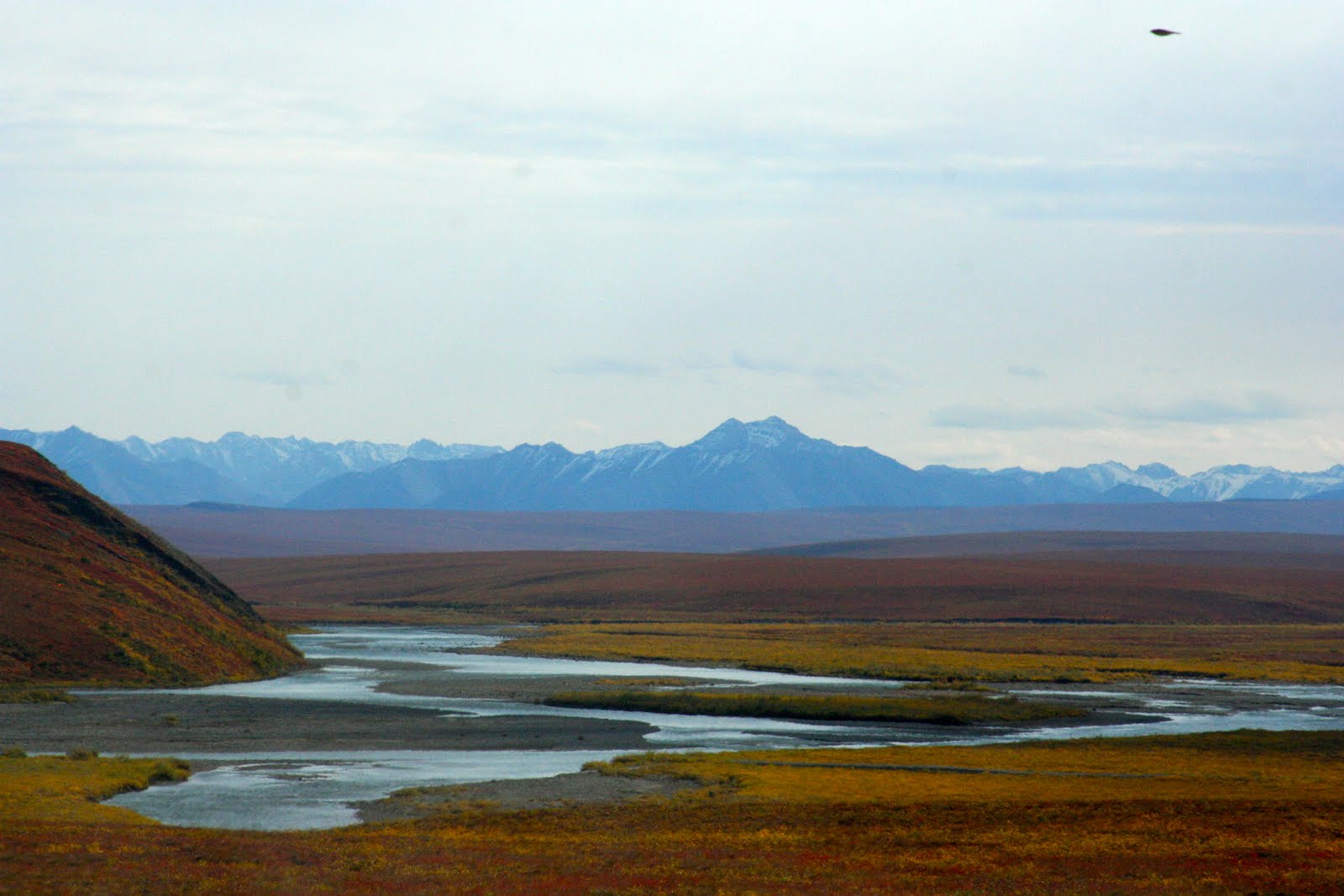
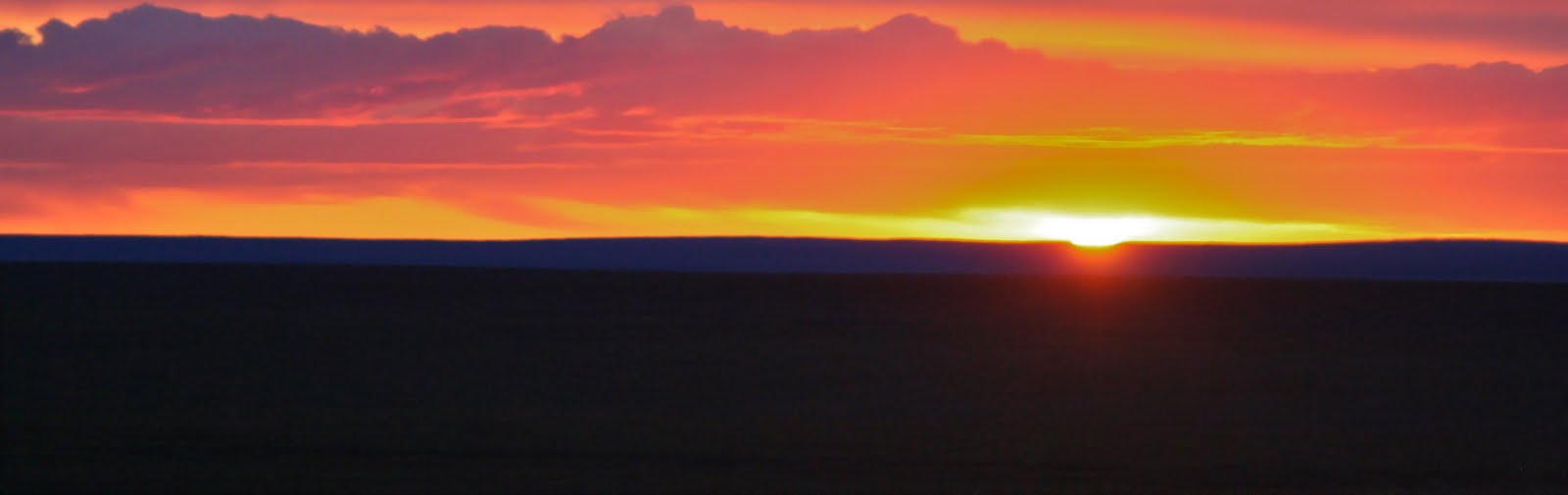
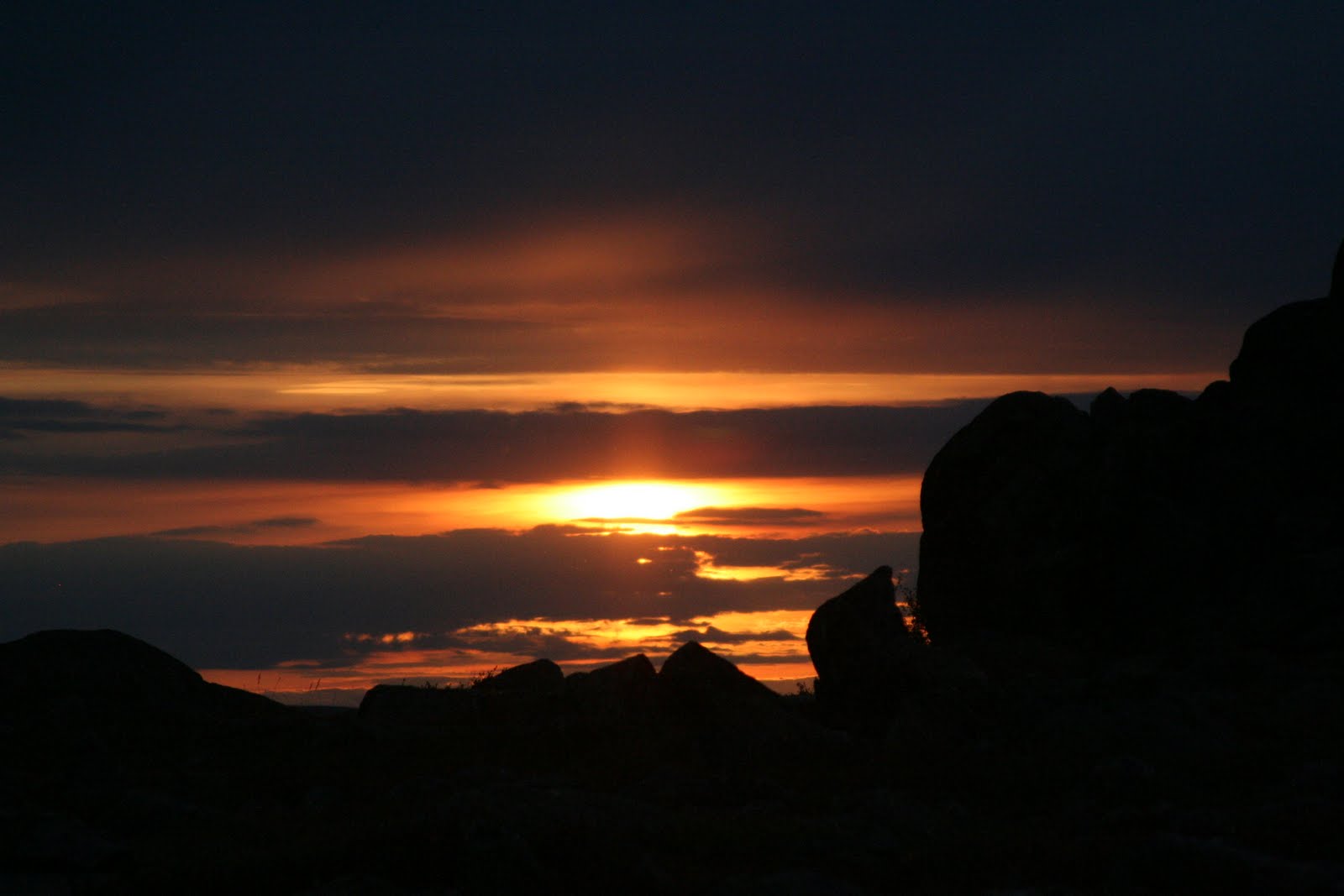
 We slid into Deadhorse well after dark, the sun setting an hour before midnight at this late point in the season. With the few maps I had seen, I was expecting a small gravel pad plunked down on the tundra with two motels, a gas station & a dump station for RVs. In my mind’s eye, vast oil development would lay far beyond the locked gate at the end of the highway. Even in the dark, I could see how wrong my assumptions had been. We drove into a complex of gravel pads that went on endlessly in the dark. Giant trucks, mining equipment, tanks, storage containers & warehouses loomed up in the gloom. Fire-light flickered above oil wells across the marshy wilderness in all directions. We drove in circles, trying to pinpoint the motel, trying to find a place to pull over and sleep. There was nothing. Parking lots were full of dumptrucks and semis, driveways were roped off. Ominous photographs of grizzlies ripping open dumpsters papered the doorway of the hotel we finally found. Grizzlies, I thought angrily, that would not even be here in such threatening numbers were it not for this installation of humans and their waste. Grizzlies or no, we had to sleep. It was two AM. We pulled into what we hoped was an inconspicuous spot in their lot and curled up in our seats to wait for dawn and our promised guided tour past locked gates to the Arctic Ocean.
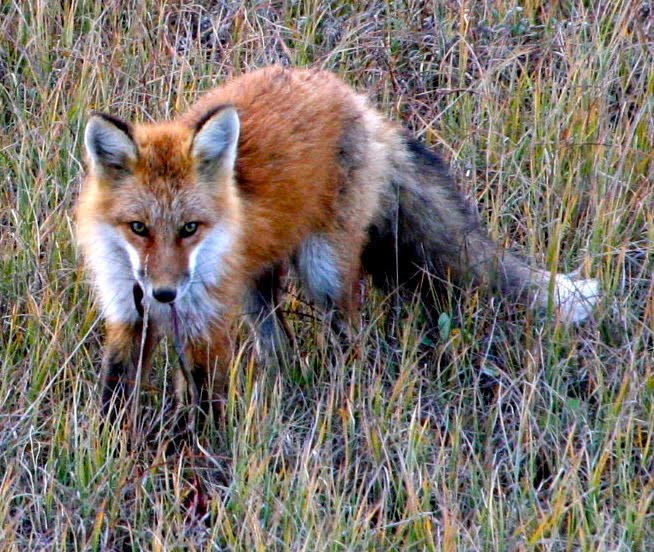
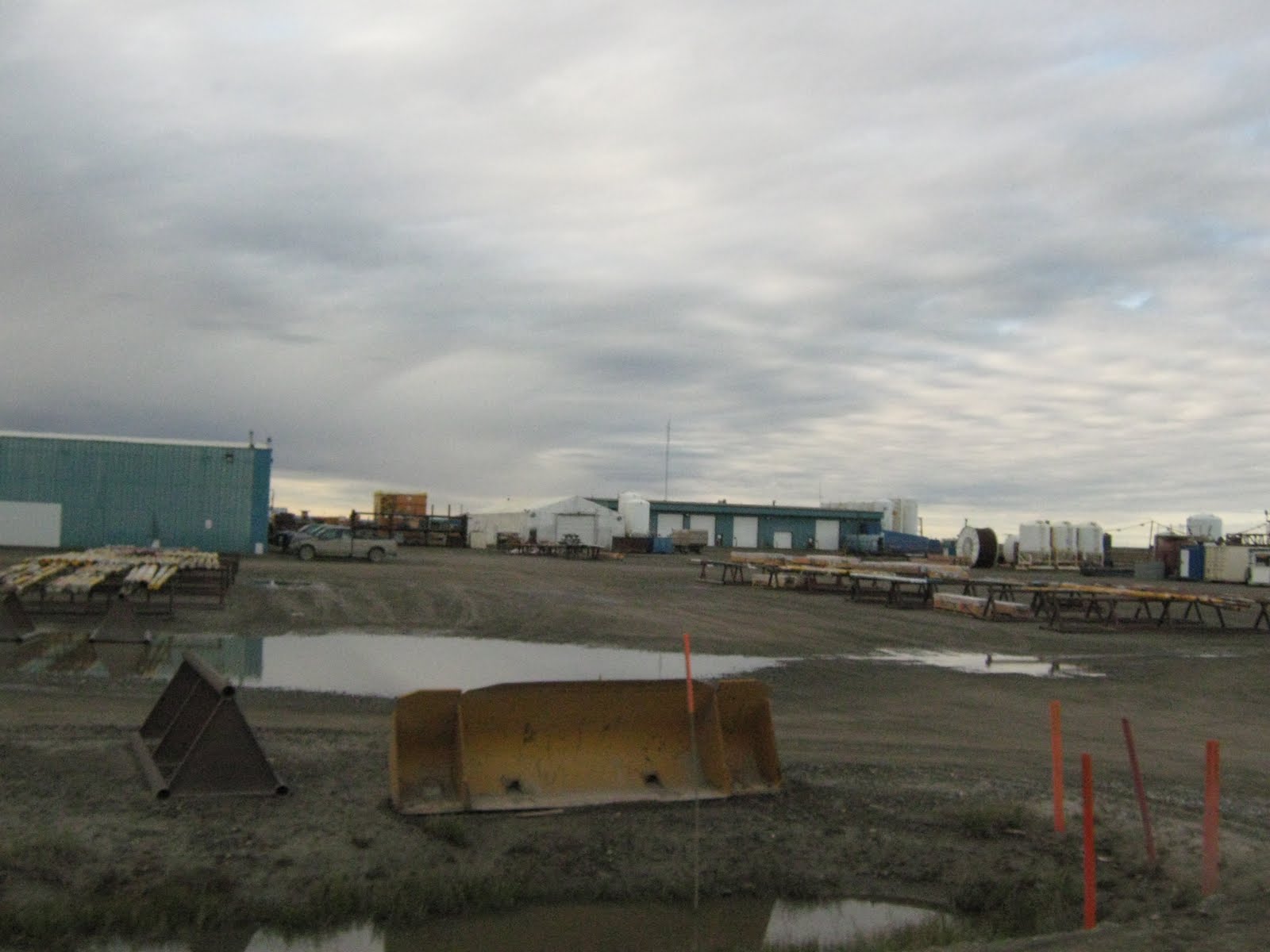
 I was in a foul mood when I woke. The vast wild beauty of the arctic coastal plain in her best fall colors at sunset had been replaced by a gray, greasy industrial wasteland. The ocean was out of sight beyond miles of towering oil installations, housing & recreational complexes and mile on mile of road built up high and slicing the tundra marsh and ponds into neat quadrants of well-contained green. We rolled out of the car, stiff and sore, and made our way into the tour office for our morning ride past the guarded gate to the ocean. We sat through a dated piece of propaganda reminding us of the glorious uses of indispensable oil and the spectacular care taken to protect the arctic wildlife in and around the oil fields. Smiling biologists took soil and water samples, happy caribou babies frolicked with no gravel or oil field in sight. We walked out to the bus, and were shuttled through even more dregs of discarded detritus of our biggest and grandest industry, and stored equipment waiting to go out on the frozen tundra in a few months and find more to drill and take. We were warned not to take pictures of the security area (or IDs had been run, to ensure clean backgrounds before entering this national security risk.) We passed a few tundra swans and a fox, slinking through one of the gridded green areas. We drove up to the ocean and saw it stretching grey and white-capped and cold north to the top of the world.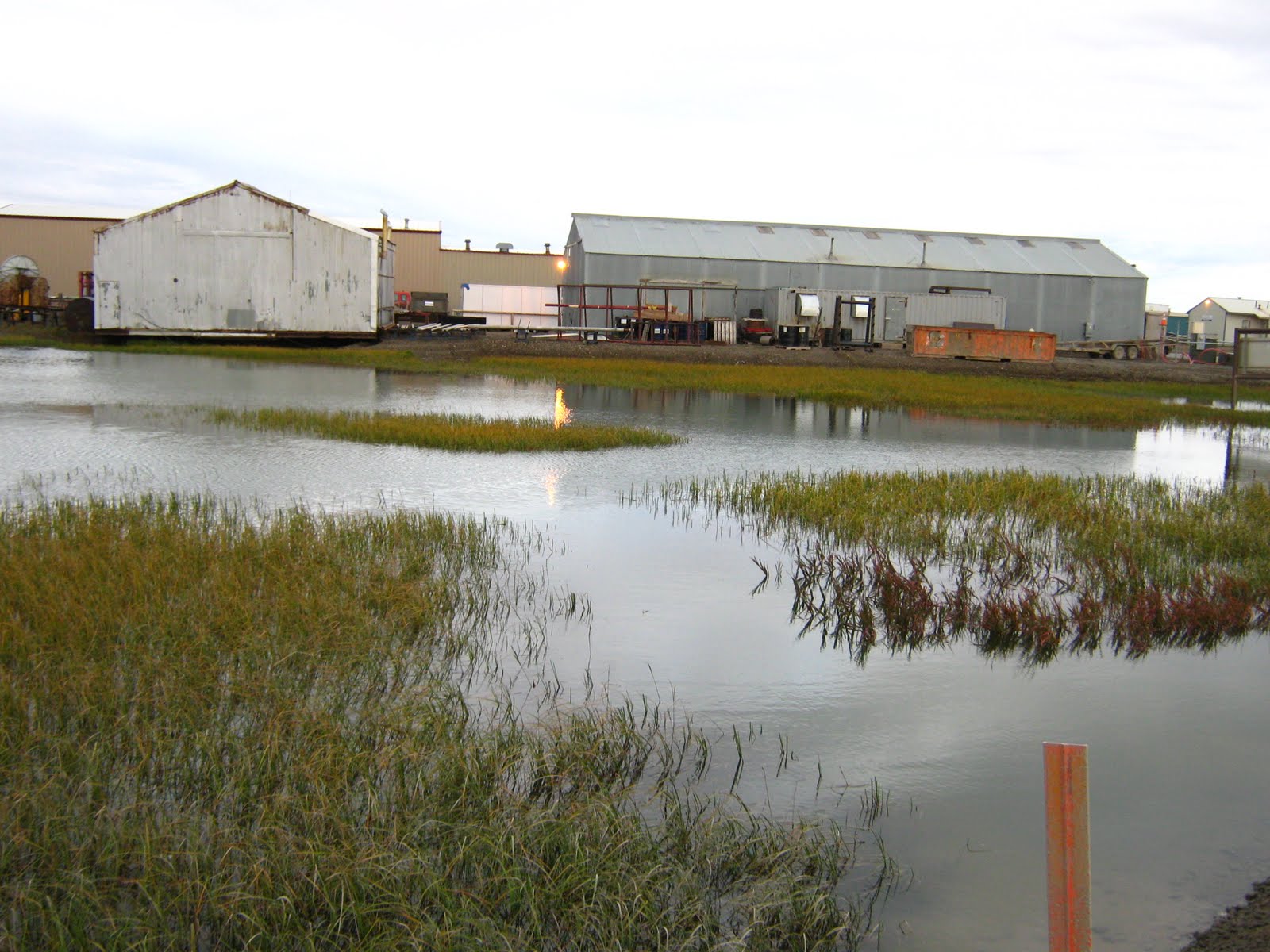


 Heartened, we hopped out into the cold wind and walked to the point of the headland. As we reached the shore, we saw half-buried barrels rusting in the cold salt spray, scraps of metal jutting from the beach, steel poles at crazy angles in the water, Styrofoam chunks in various stages of eternal decay tangled in the driftwood. The whole shoreline was choked with trucks and buildings and pipes and powerlines. I wanted to scream. We took off our shoes and waded knee deep in the icy water, daggers of cold ripping through flesh with every second. The cold was so relentless that it would not numb my skin, only increase the pain with every wave and splash.
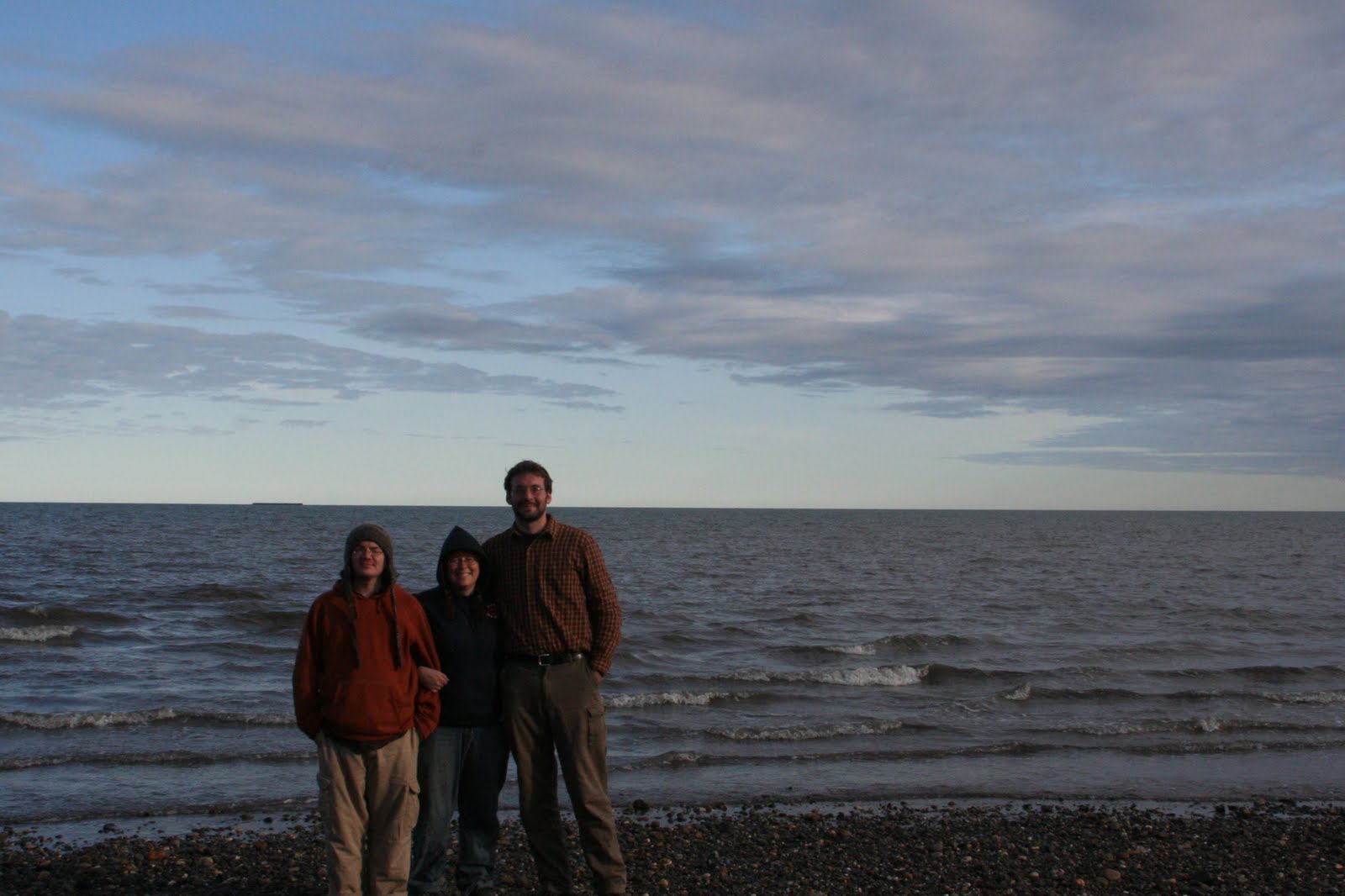
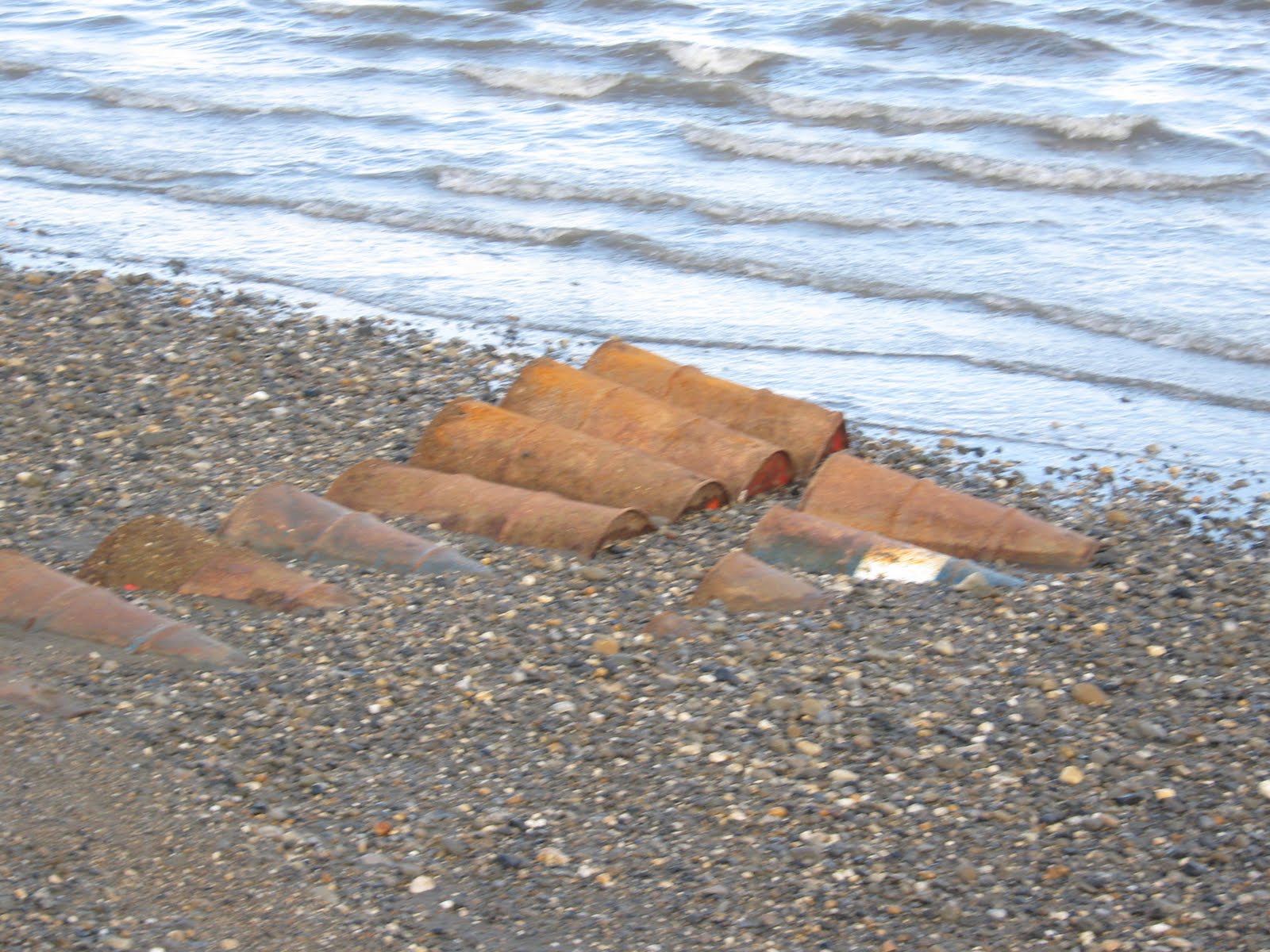 We waded back, dried our feet and legs, and shuffled to the waiting bus. The driver assured us of the happy wildlife coexisting with development all through the National Petroleum Reserve across the northern coast of the state. I gritted my teeth and hoped he would drive faster than my anger could rise.
I have been against opening ANWAR to oil development from the beginning (the rest of the northern Alaska coast is already open to drilling, both on land and out at sea … why open a critical wildlife habitat in the corner of the state for a trickle of oil that won’t touch our needs, or last as long as it took to develop?) but I wanted to believe that Prudhoe Bay would prove just a little spot of destruction on an otherwise untouched coast. It may be just a spot in the grand scheme of things, but as far as I could see the country was decimated. And according to the maps, what has been done to the land goes far beyond what my eyes could pry into across the horizon.
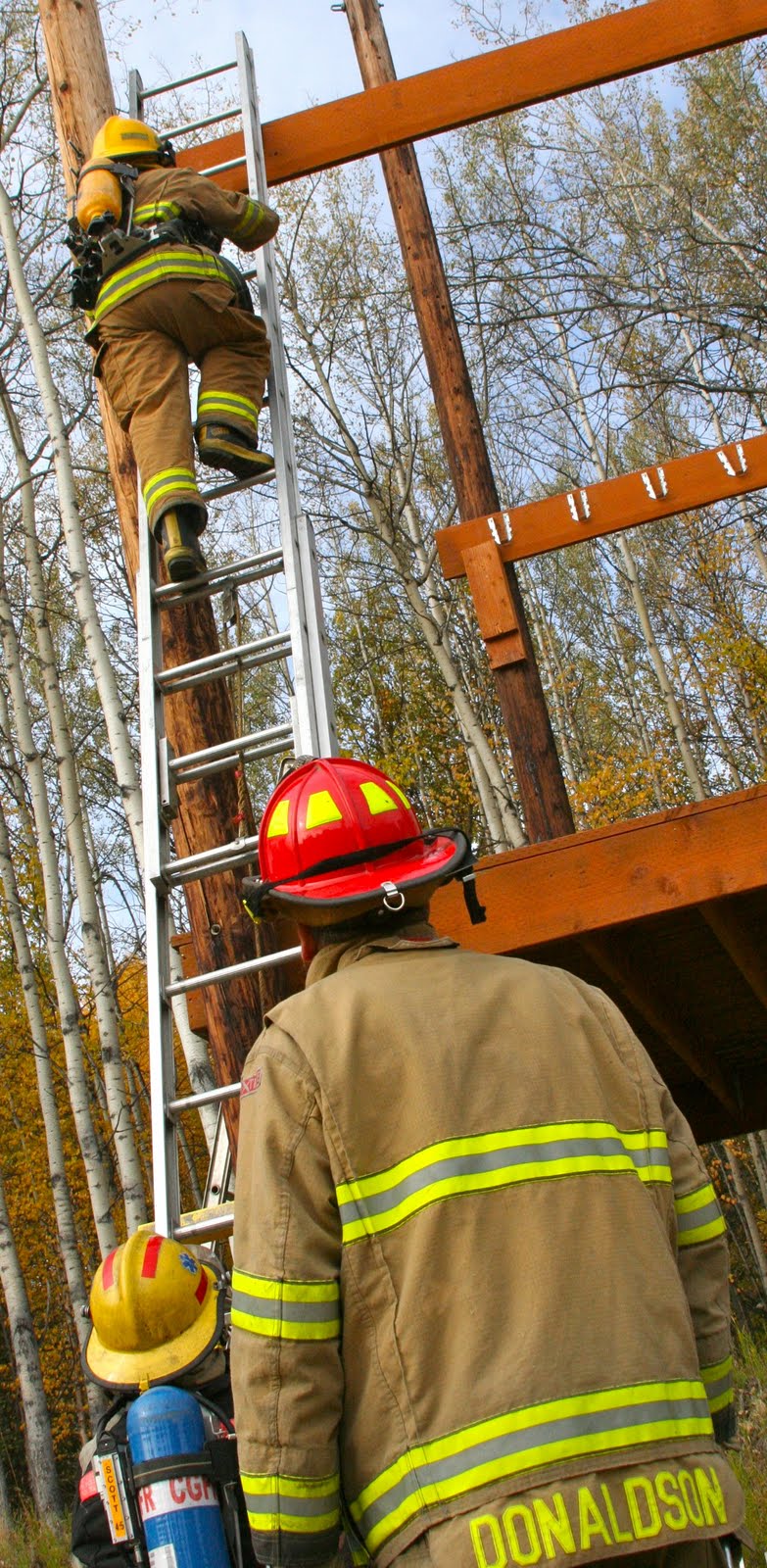
The drive back was fast, eating up all five hundred miles in one shot, most of it in the rain.The drive home was made longer when we passed a wreck south of the Yukon River, still hours gravel-and-fog driving north of town. A man rolled his truck off an embankment and into the woods. We don’t know how long he lay unconscious in the cold rain, but when we found him he was a hundred yards off the road and making steady progress putting as much distance as he could between himself and civilization in a haze of ethanol and hypothermia. With four hundred miles of wilderness ahead of him and colder rain coming fast with the dark, that direction didn’t seem prudent, so we turned him around. Soaked to the bone with no shoes, it took twenty minutes to guide him back up to the road. We stripped him down and shoved him into layers of sleeping bags, made a tent out of a tarp on the gravel berm and heated it with a propane furnace – all provided by the hunter & his two young sons (with fresh caribou and racks stacked in the back of their truck) who had first noticed the headlights in the trees well below the road. If karma is real, that man has a trophy bear and a couple of big moose coming his way. After several attempts to communicate with dispatch in Fairbanks via satellite phone, we gave up and hoped they had heard most of what we said. An hour later an Ambulance appeared from the Pipeline Pump Station up the road and, relieved of our duties, we kept driving south into the fog. I gave up driving when we hit pavement at Livengood, and slept til we rolled into the driveway at four am.
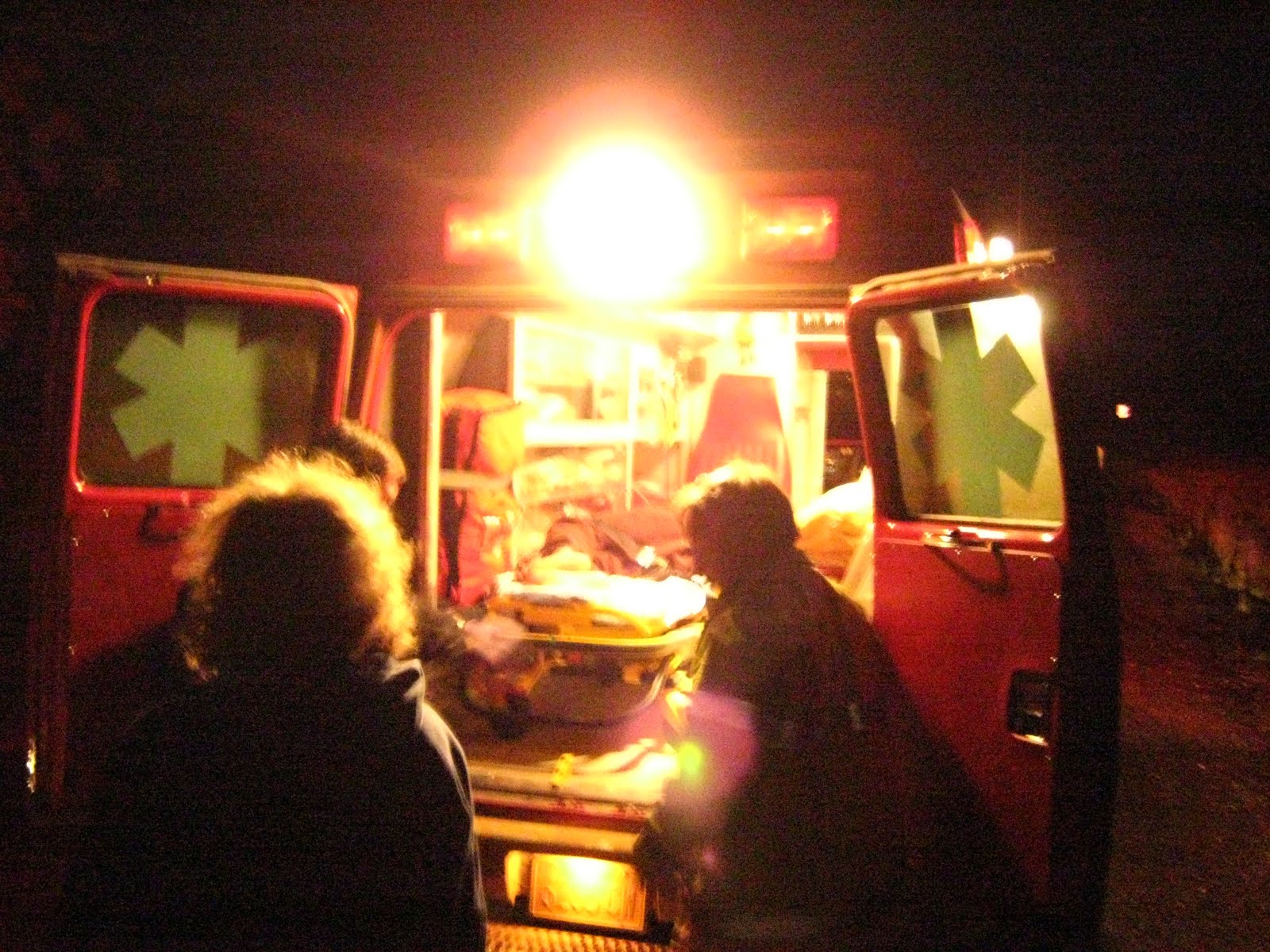 Winter and work are blowing in even if I don’t want to let them stick quite yet. But temperatures will settle down below freezing and routine will settle on my bones like a heavy pack a few days into a long slog up to a spectacular view. I certainly won’t miss the mud.

 entelechyproject