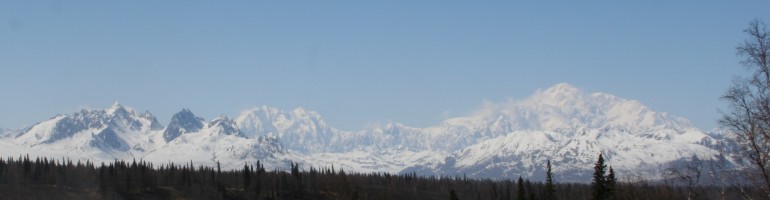
“In Iowa we have our wilderness in the city, because the country is for farming.” – Unknown Guest, River to River – IPR, 2014
I slept outside for the first time this summer, over this last weekend. I had signed up for a two day kayaking course with a camp-out in the middle to brush up on some skills, see a new part of Iowa and force myself to get and stay outdoors for more than a few hours at a go. As I was digging through our camping gear to get ready, I realized that it has been since last summer’s Boundary Waters canoe trip that the tent, stove, sleeping bags and sundry gear have been out. This trip was on Red Rock Lake, the biggest in Iowa (as very many signs on nearby roads proudly proclaim) a largish body of water surrounded by a thin strip of woods and encased by the requisite corn and soybean fields that are more than ubiquitous here. The lake is the result of the damming of the Des Moines river, one of many flood control projects in Iowa.
I saw lots of birds over the weekend; kingfisher, blue heron, some kind of small falcon, various ducks, a bald eagle, and a plethora of smaller birds that I am struggling to learn to identify. I am remembering now how I got so into birds when I was kayaking in Alaska – even with all the other more prominent and popular wildlife there, shorebirds are easy to find and follow and less spooked by human approach, and there is a singular pleasure in identifying them, like recognizing a familiar face in an unfamiliar crowd. I also saw more than my fair share of ticks and spiders, and was bitten by a small army of mosquitoes. All food for the birds I was enjoying, to be sure, but that makes the bites no less unpleasant.
The kayaking was fun but exhausting. Bumping up from an hour here and there to four or five hours of paddling for two days, at times in pretty stiff headwind, practicing unfamiliar strokes and rescues, takes its toll and I am certainly a little sore and bruised on the other end. But the sunburn, camp food, morning coffee by the lake and sweet shoulder burn of hard effort were all worth it many times over.
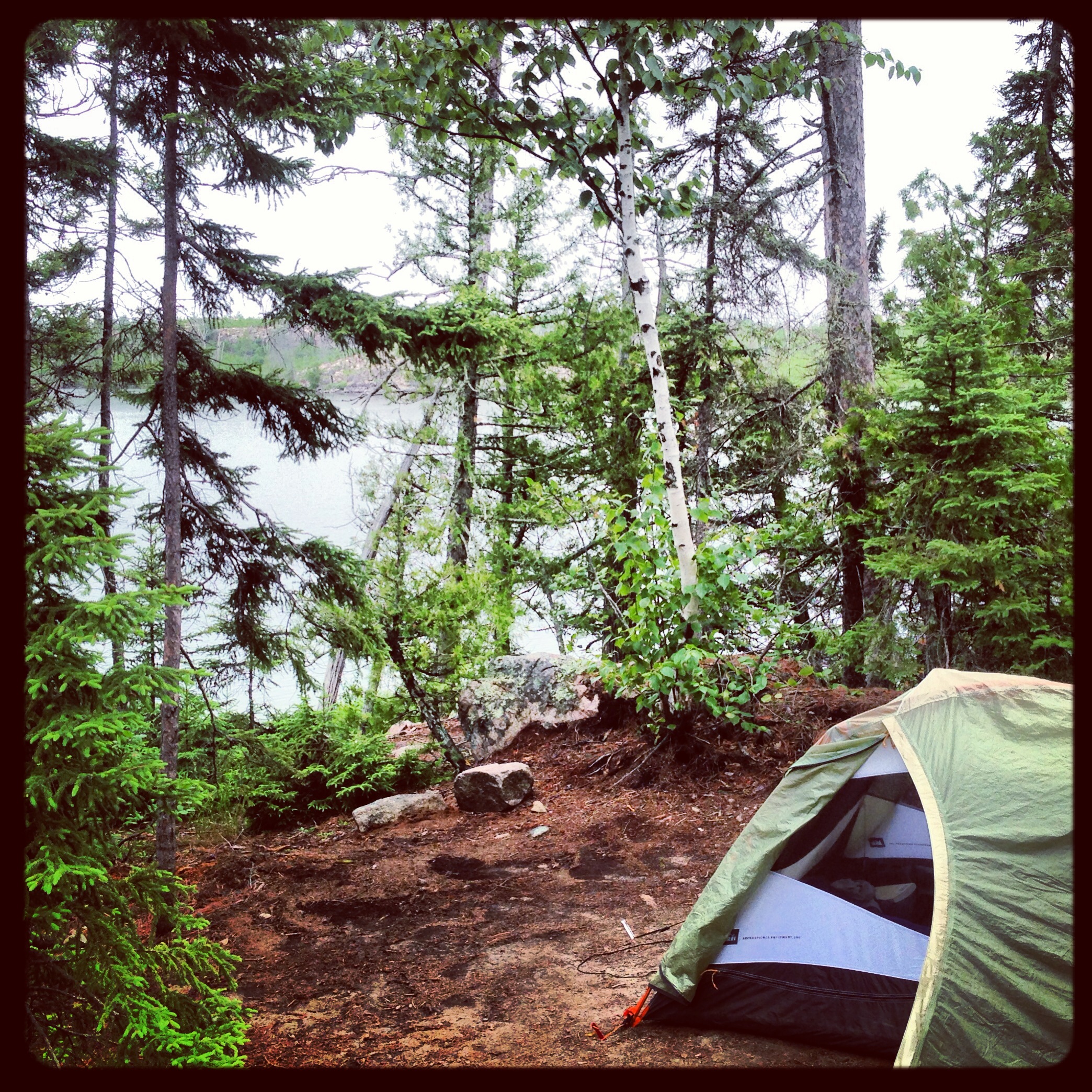
Yet I still find that being outdoors in the midwest is a puzzle. I have been so spoiled by my time in less populated states, in places with more wilderness than people, more trails than roads. The ‘primitive’ campground sported marked, mowed campsites with reservation slips and fire rings, a porta-jon (with toilet paper!) and a huge picnic shelter just up the hill and a rural highway visible across the small arm of the lake. To my mind, primitive camping is when you find a flat spot near a trail, camp there and leave nothing but the impression of your tent on the grass in the morning when you move on. Yet for some of the folks I worked with in Utah back in 2005, primitive camping involves starting a fire with sticks and bows, sleeping on the ground with only your clothes for shelter, and trapping your own food with cord you twisted yourself from the plants around your rocky bed. My jetboil stove and (mostly) bugproof tent are luxuries that preclude me from that primitive camping crowd quite definitively.
For all its amenities, we were the only people at this particular boat-access campground. However when I pulled out of the larger boat ramp and campground the next afternoon, I couldn’t help but notice that all of the RV friendly, drive-up campsites (and there were hundreds of these spots) were full. And for all my aversion to kayaking around a lake full of motor boats, there were scores of families out enjoying the water and sunshine, kids shrieking and swimming, adults lounging in the shade. There was hardly room on the beach for us to pull our kayaks up for lunch.
Paddling next to cornfields (and for a while through rafts of water-logged corn stalks washed into the lake by the summer’s floods) and lawns carefully manicured down to the lake shore, dodging the wakes of enthusiastic tubers with country music blaring across the water, brought me back to my earlier discussion of wild places and what draws Pete and I to them. But it becomes a broader question, here on this populated lake, of what draws so many of us out of our homes to whatever versions of wilderness we can access and enjoy given our geography and context. I may be a wilderness snob with my expectations of isolation and wild, yet I know that my own small adventures pale in comparison to those of others I know and have read about.
For all my complaining about the nomenclature of campgrounds in Iowa, the time spent sitting around in starlight, cooking scrumptious food on tiny camp stoves, watching the wind in the trees and listening for bird calls, waking up to the sun shining through my tent and the cool morning breeze off the lake was as refreshing as it needed to be and whet my appetite for more – even of the same (though perhaps without so many ticks!) And for all my bemoaning the motorboats and their fumes and noise and wakes, I was just as happy to enjoy motoring around in my Uncle’s boat on a similarly dammed lake in Texas earlier this month.
I don’t have any further insight, at this point, into what it is about these places and experiences that draw us, as humans, out of our homes and to whatever wild spots we can find. Yet something does draw many of us, as clearly as the campsites and open water fills up with families on the weekends, away from their jobs but also their homes and neighborhoods and all that is familiar in the workaday week they, and all of us, are trying for a few hours or days, to leave behind.
 entelechyproject